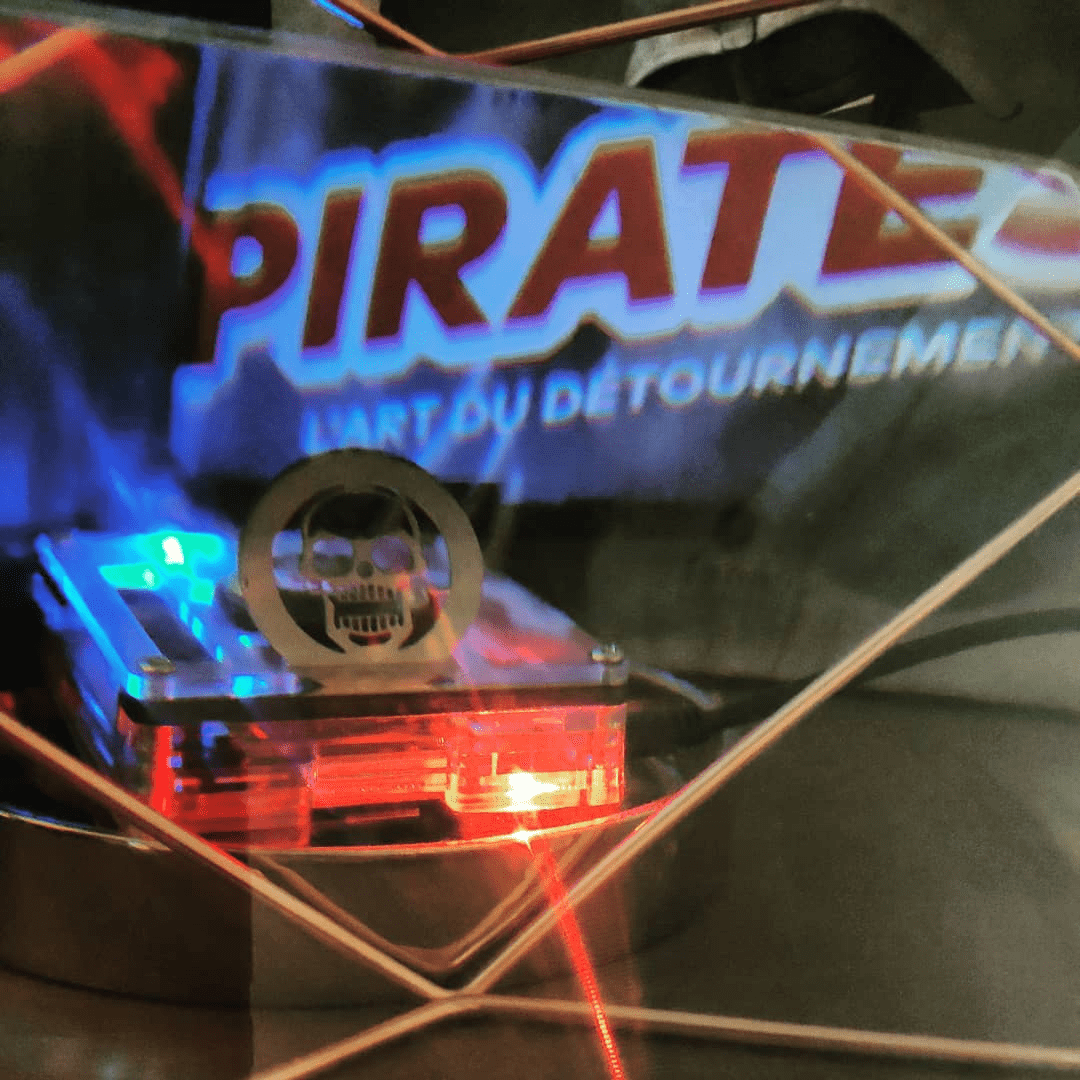
Pirate Box is a portable electronic device, including a Wi-Fi hotspot and something to store information, creating a wireless network that allows connected users to share files anonymously and locally. By design, this device is disconnected from the Internet.
The PirateBox was originally designed to exchange data freely under the public domain or under a free license. It represents a return to the fundamental principles of the internet — open, decentralized, and free information exchange — but in a contained, local environment.
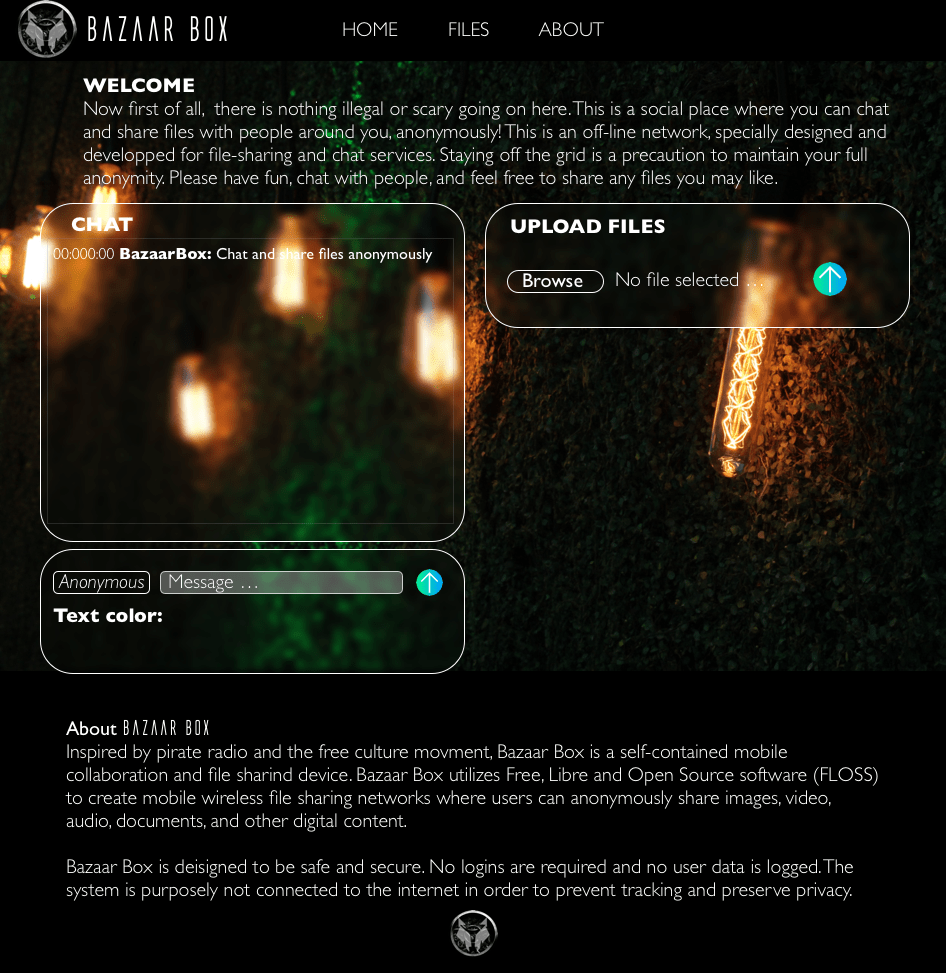
The poetic side is that this machine has been made possible by sharing information in the Internet age. But if however the Internet were to disappear, the interest and the value of this machine would be increased tenfold, thus allowing a group of people to exchange locally and discuss within a radius of about 1 km.
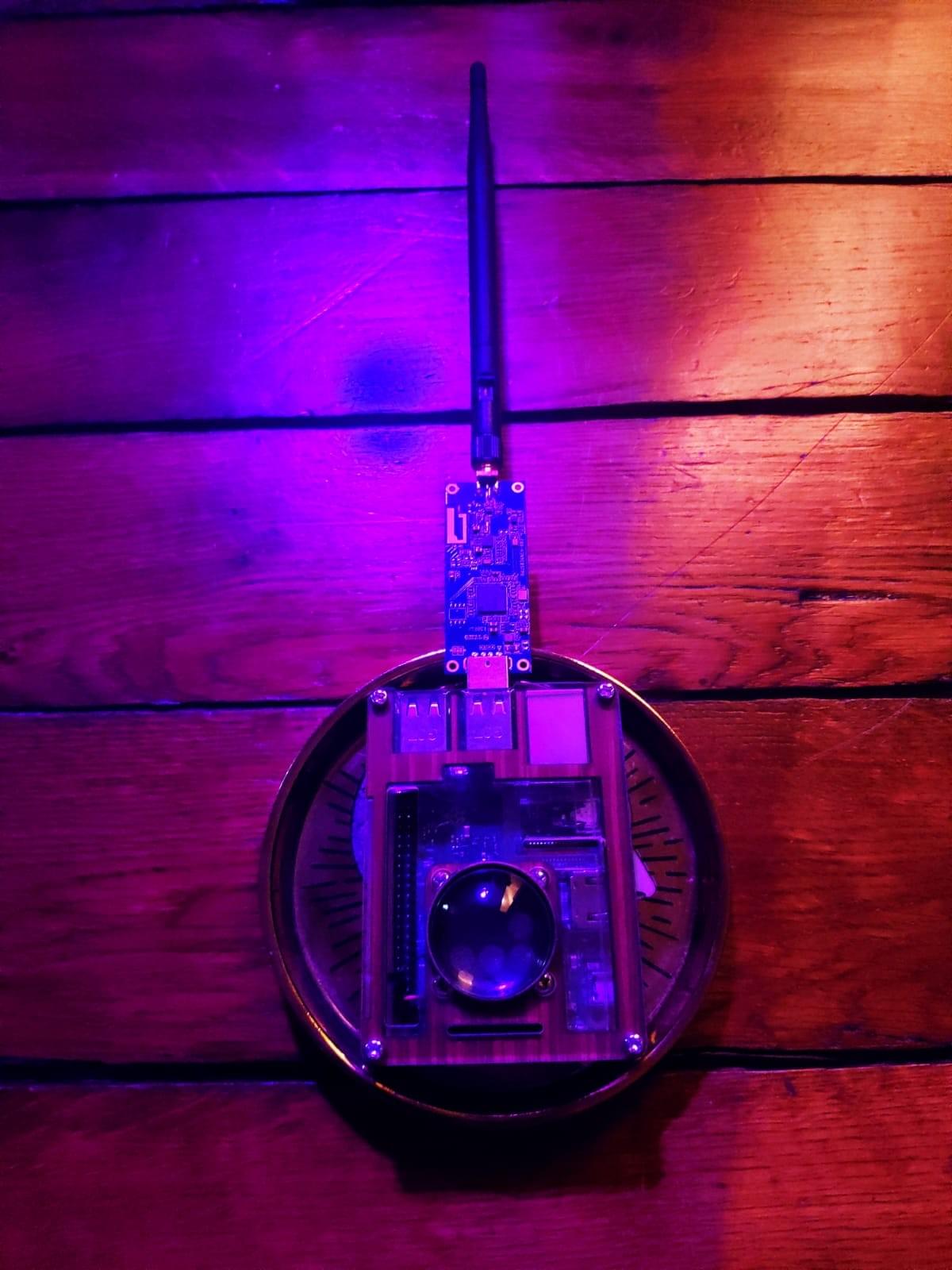
This device creates a self-contained communication ecosystem — a digital island where users can share files, chat, and collaborate without any external connection. It's a testament to the resilience of human communication and the importance of maintaining local networks in an increasingly centralized digital world.
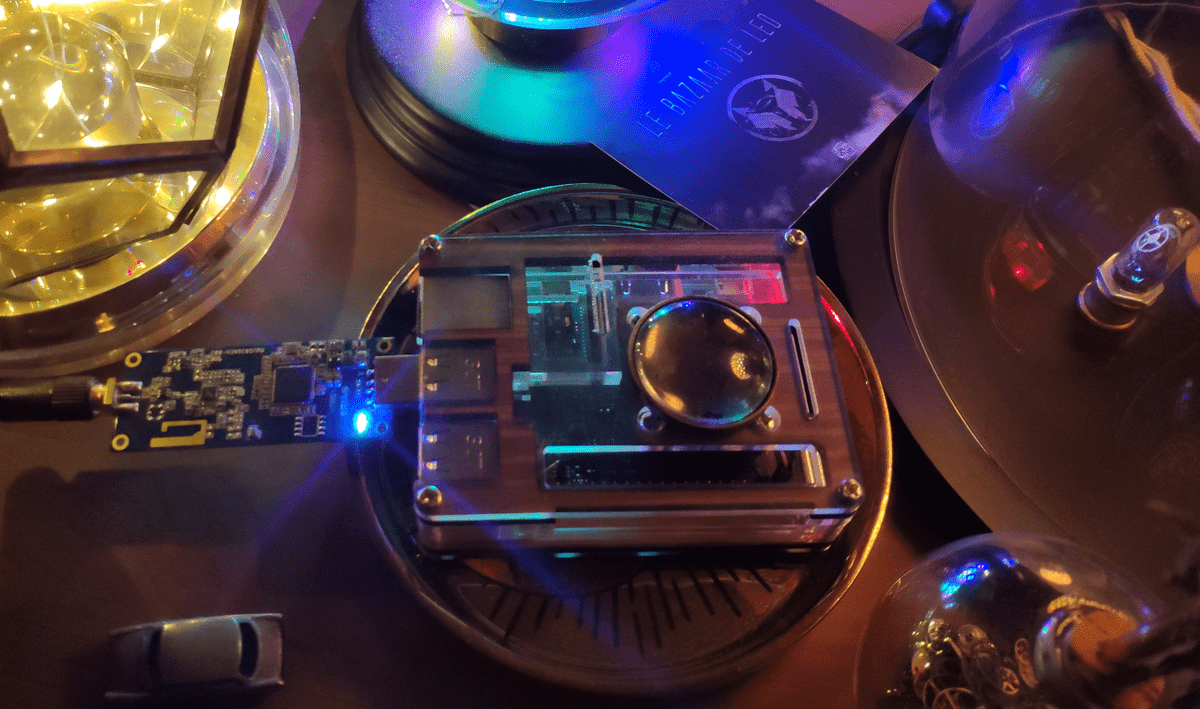
The Pirate Box embodies the LBDL philosophy of technological independence and the preservation of open communication channels. It's not just a device — it's a statement about the value of local, autonomous networks in an age of cloud dependency.